
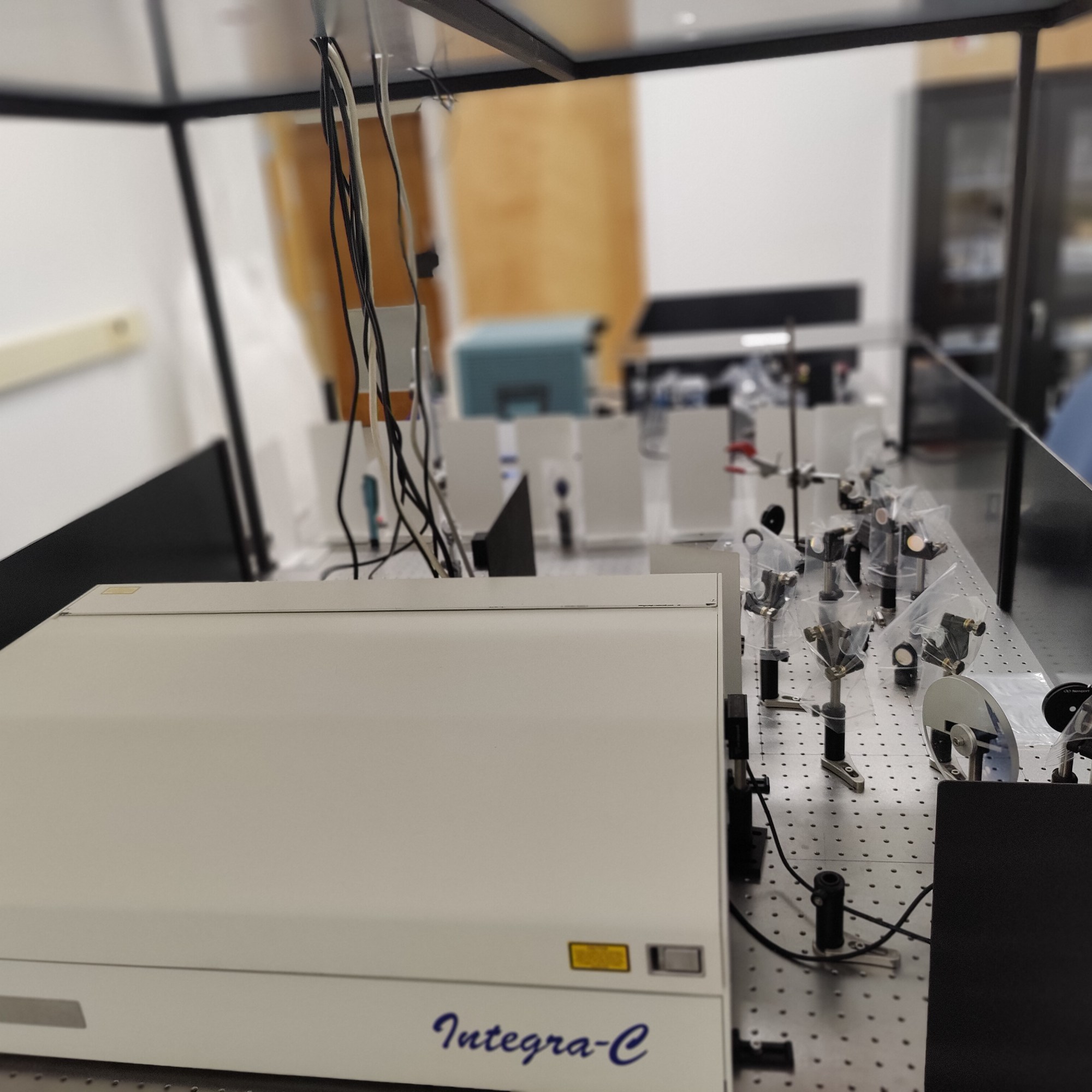


Ultrafast photoconductance measurements using 130 fs laser coupled to a 50 GHz oscilloscope with 25 ps response time.
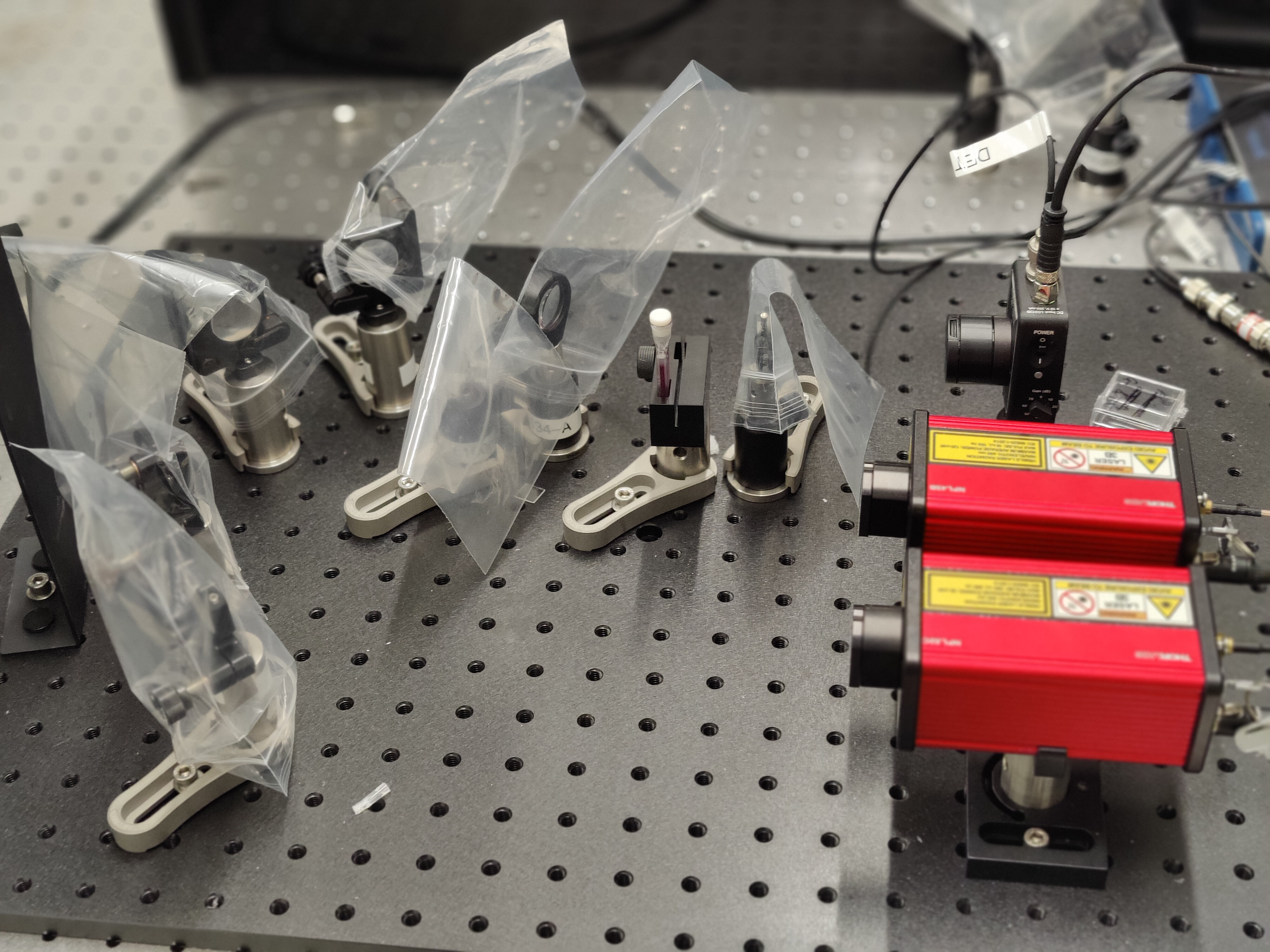
Homebuilt ns pump-probe setup with ~100 ns resolution
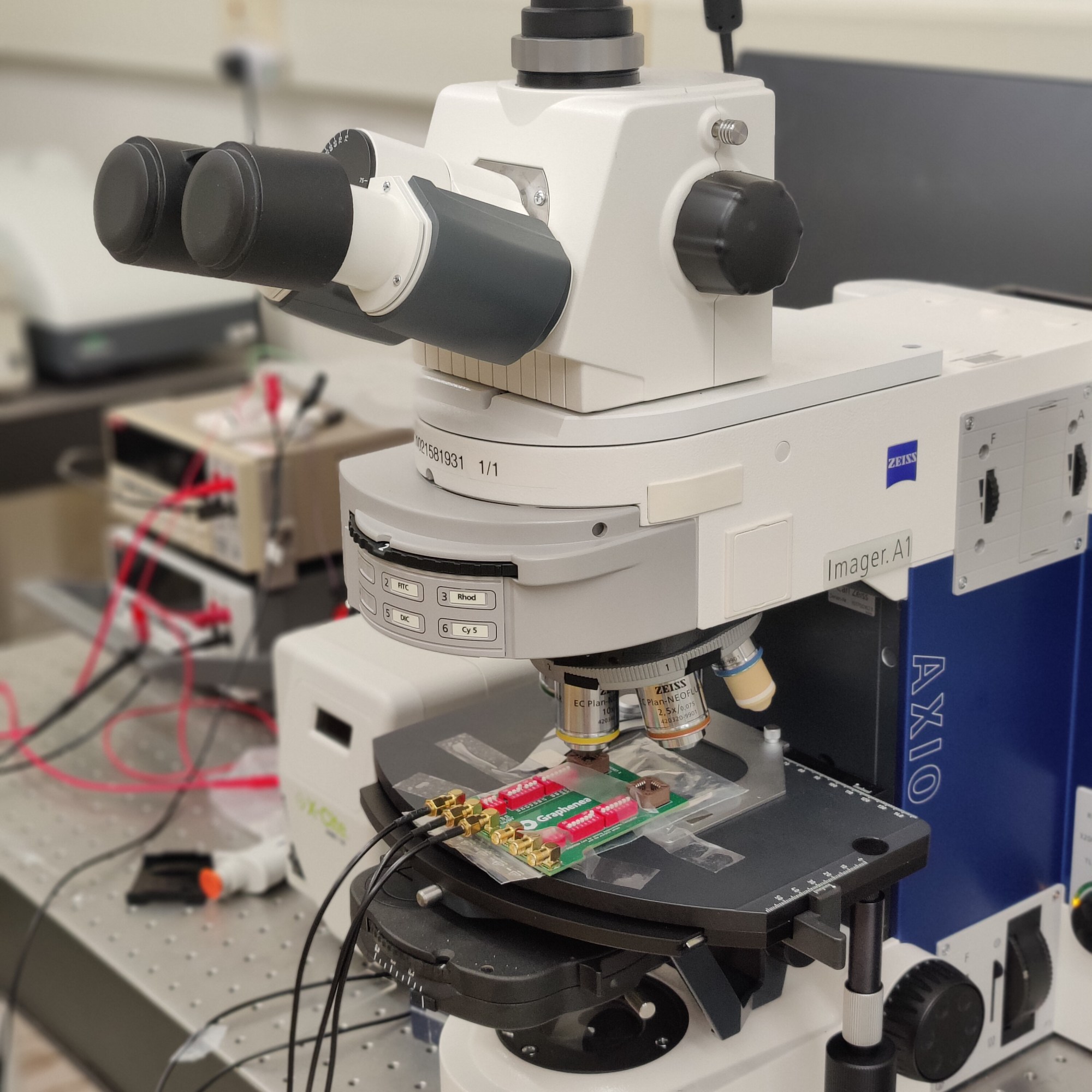

Single-layer Graphene Field Effect Trasistor (GFET) based biosensing setup coupled with a Zeiss fluorescence microscope
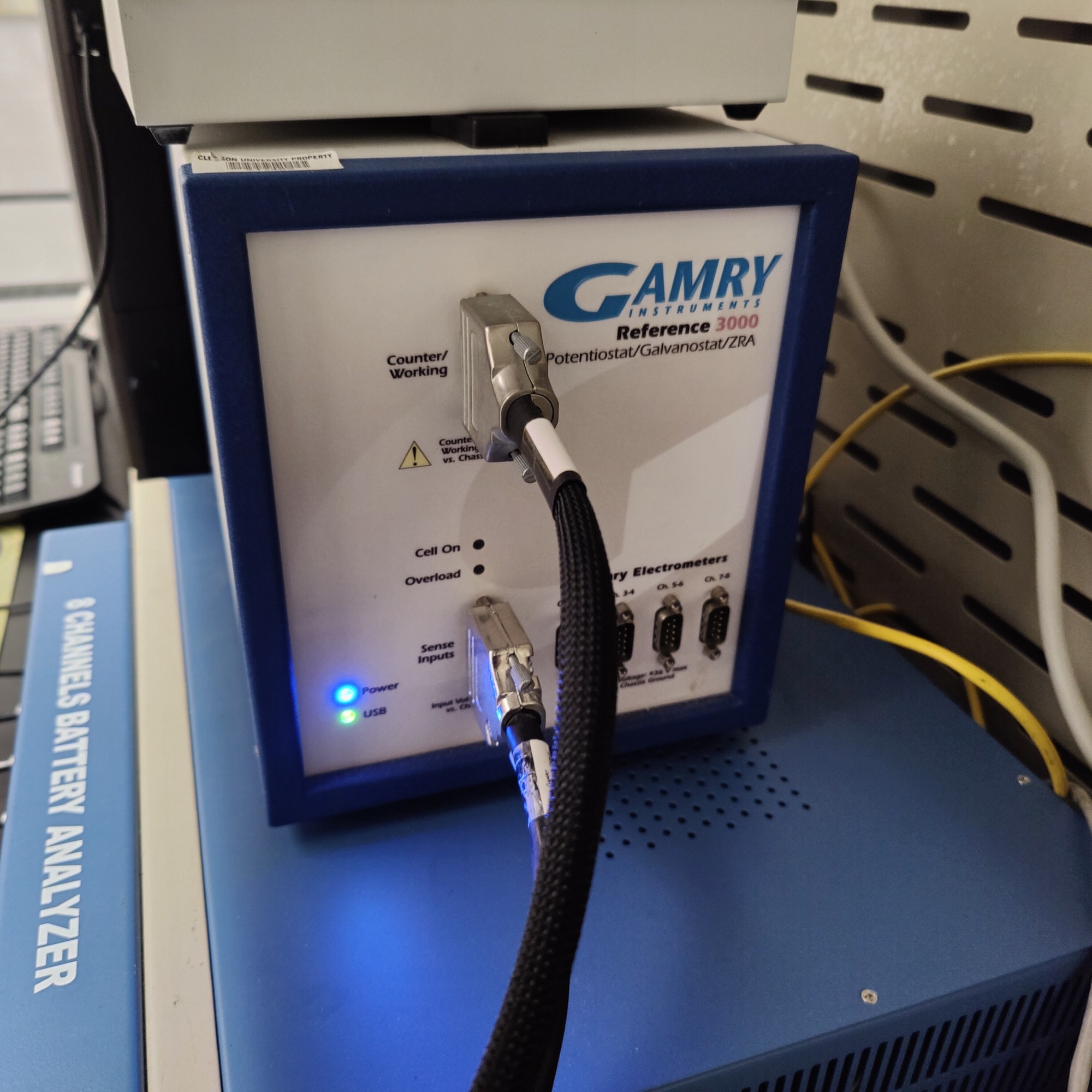
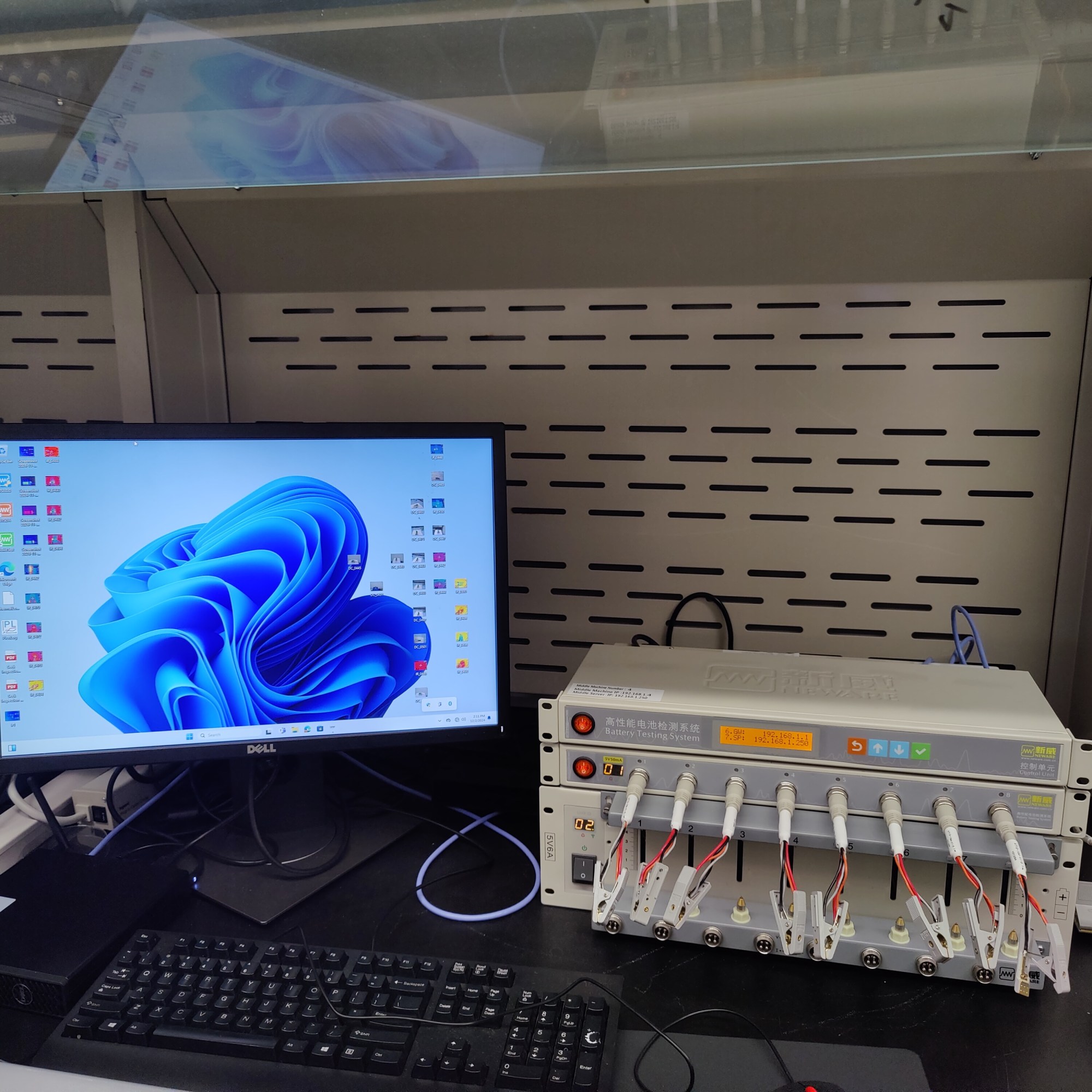
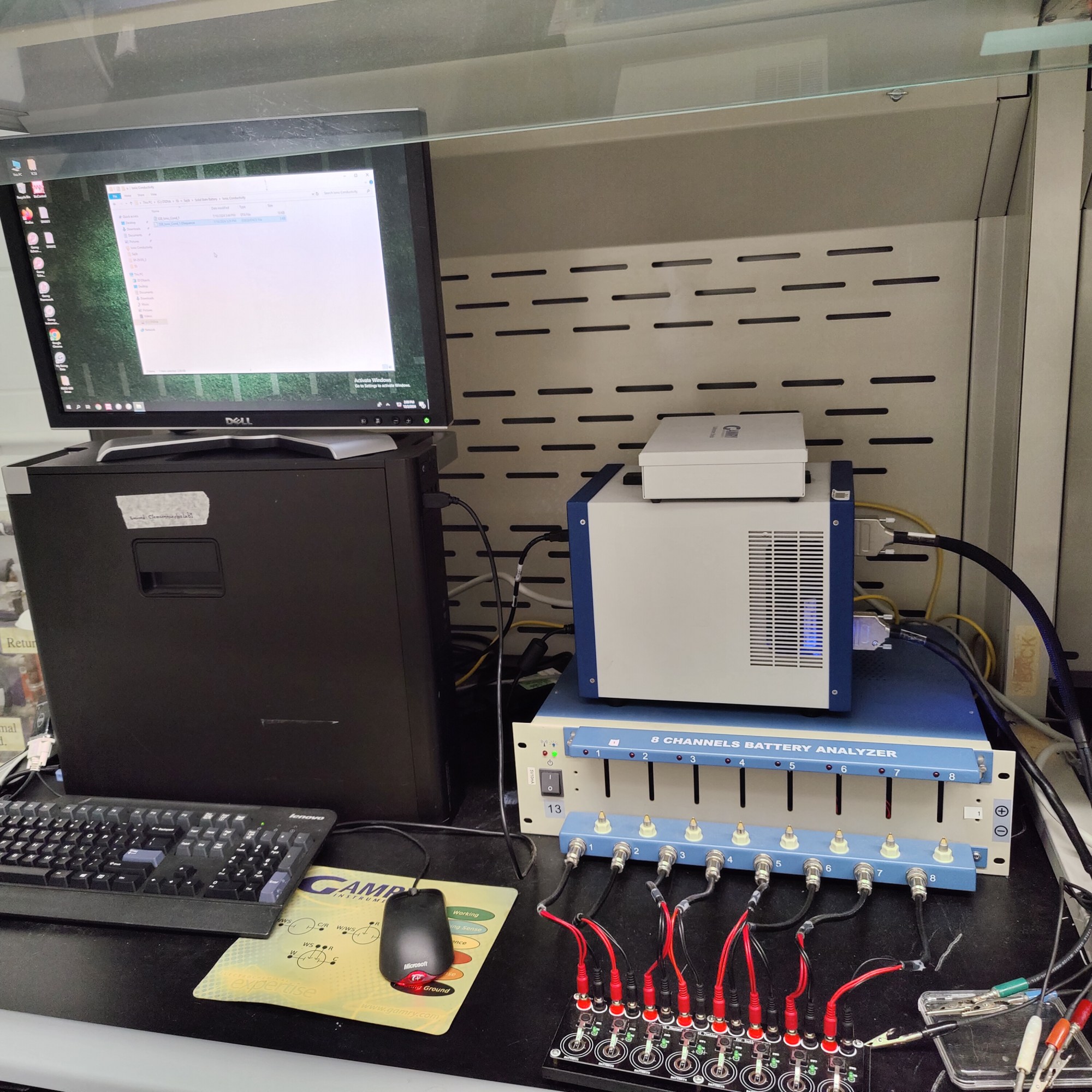
Electrochemistry suite for cyclic voltammetry, electrochemical impedance spectroscopy, and triple range multi-channel coin and cylindrical cell charge-discharge measurements
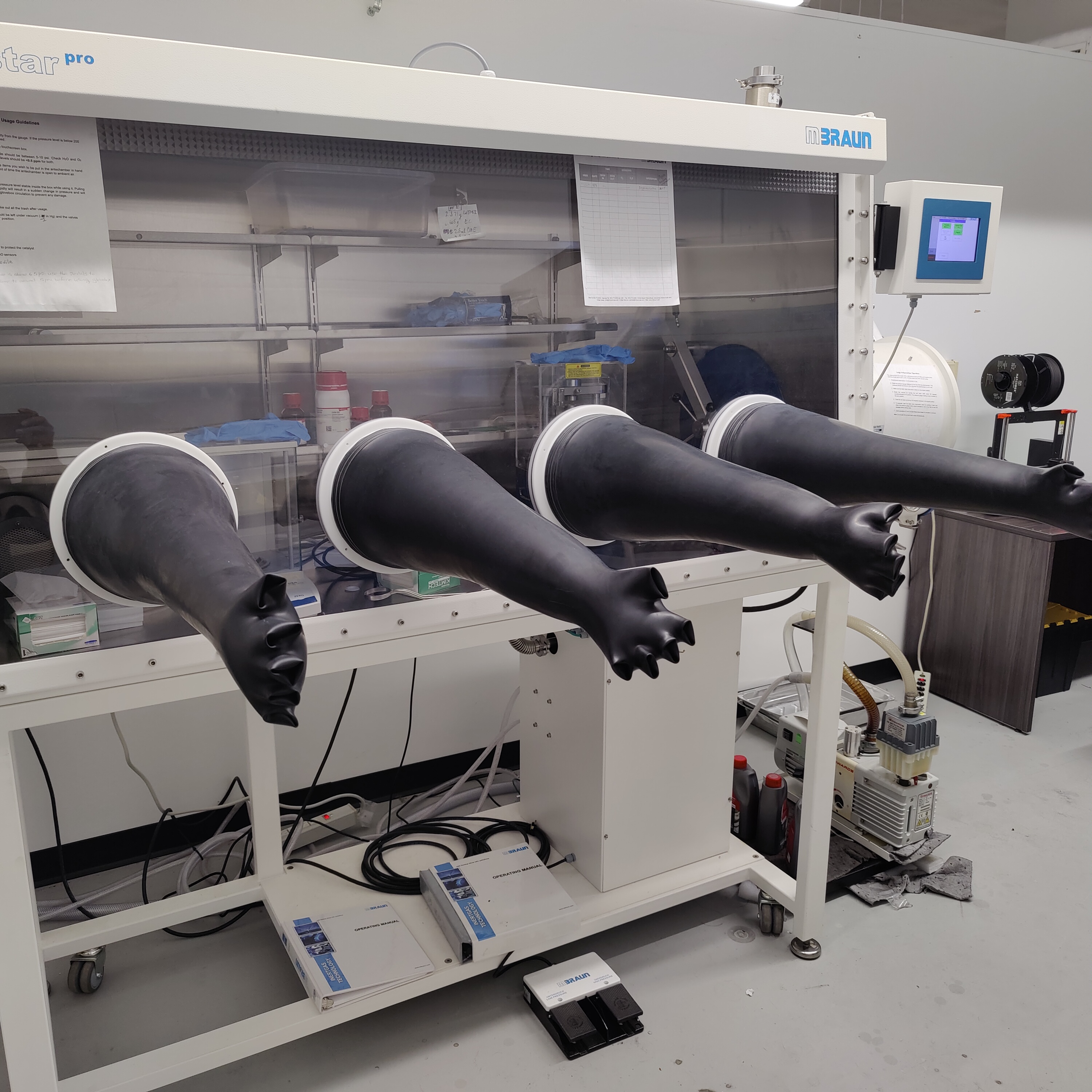
Glovebox for handling and assembling materials for Li-ion and Li-S batteries and Triboelectric Nanogenerators

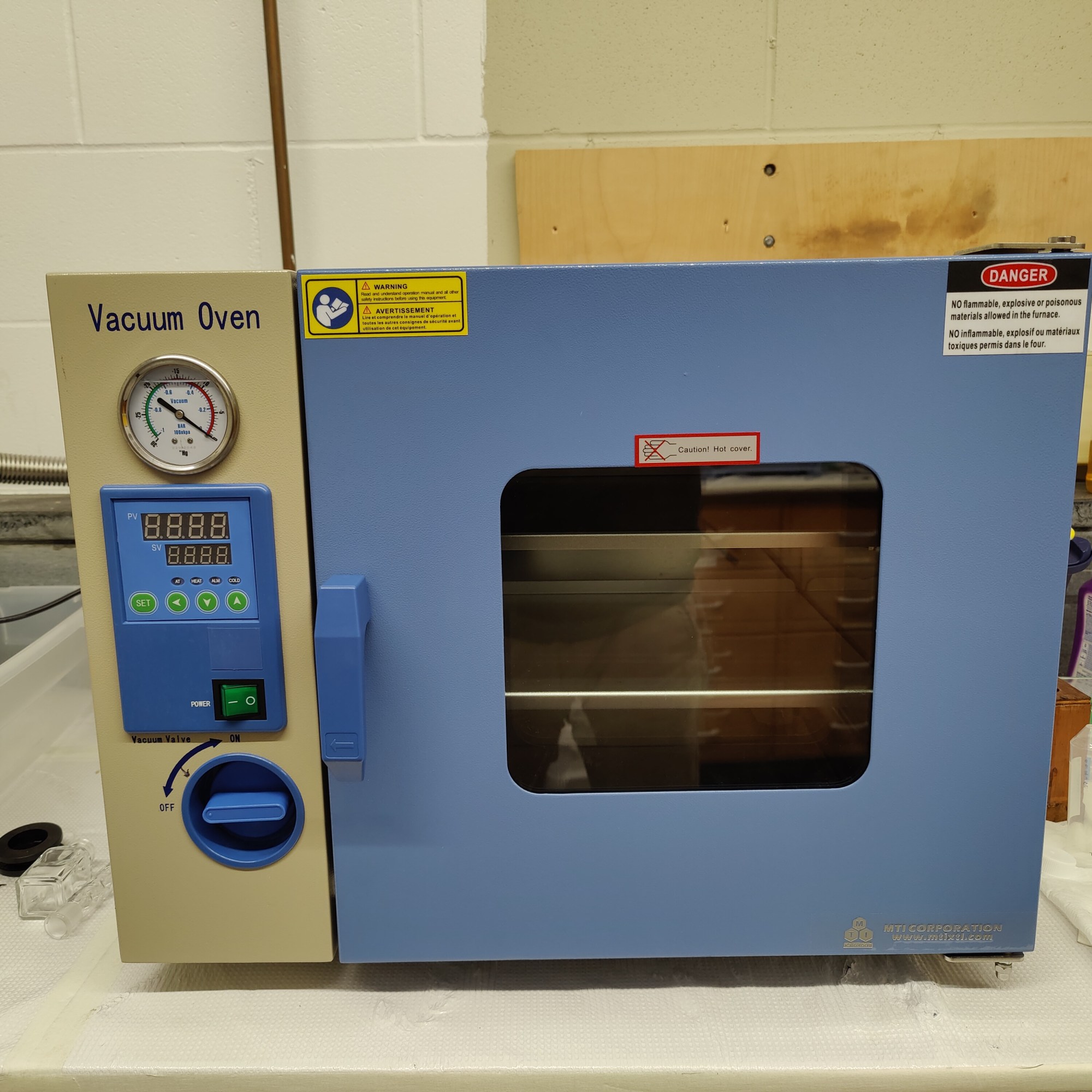

Electrode coating, vacuum annealing, and ball milling for Li-ion and Li-S battery research

Circular Dichroism Spectrometer for studying protein secondary structure
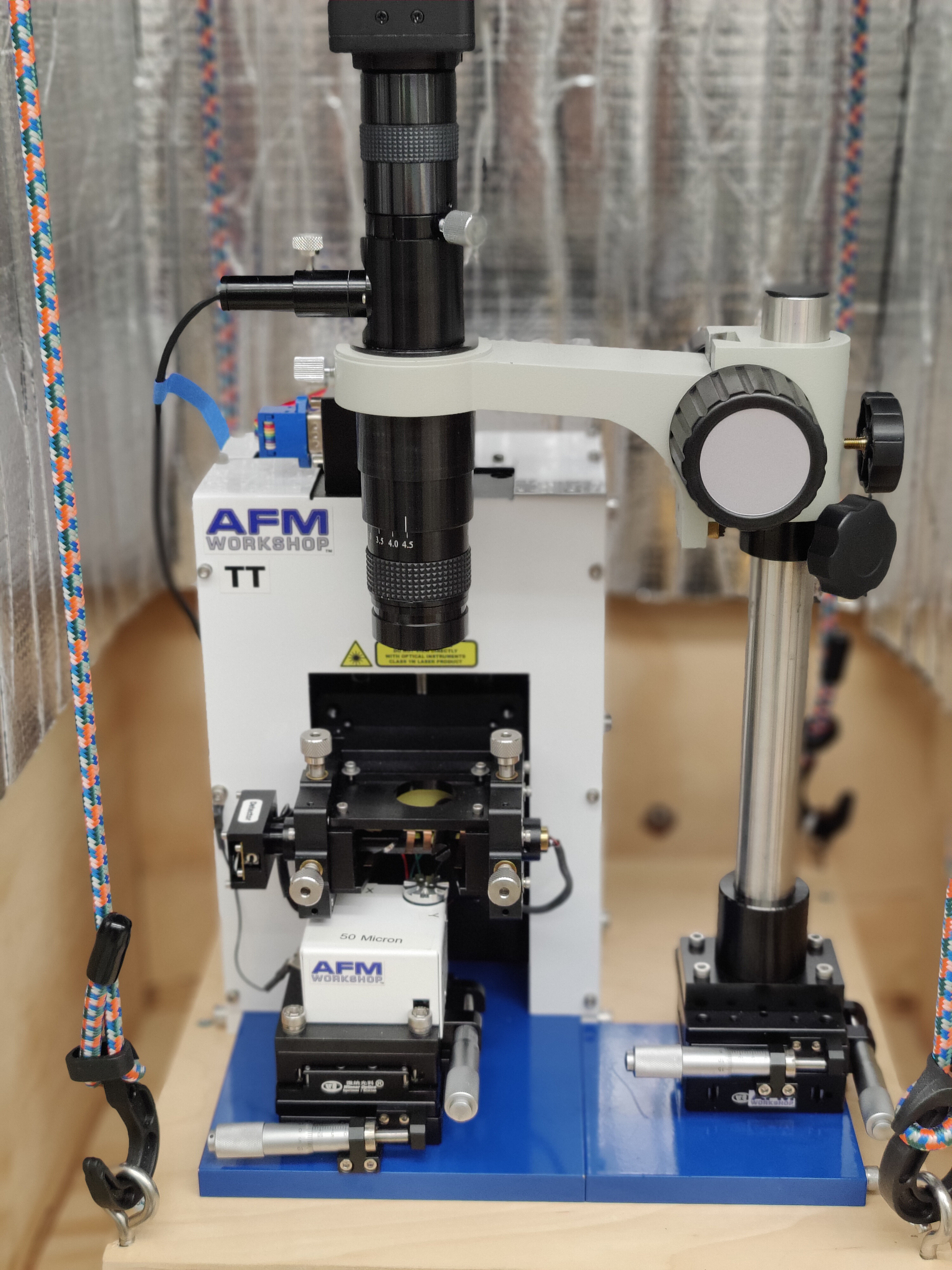
Atomic force microscope capable of scanning in liquids


3D printer and triboelectric nanogenerator characterization setup

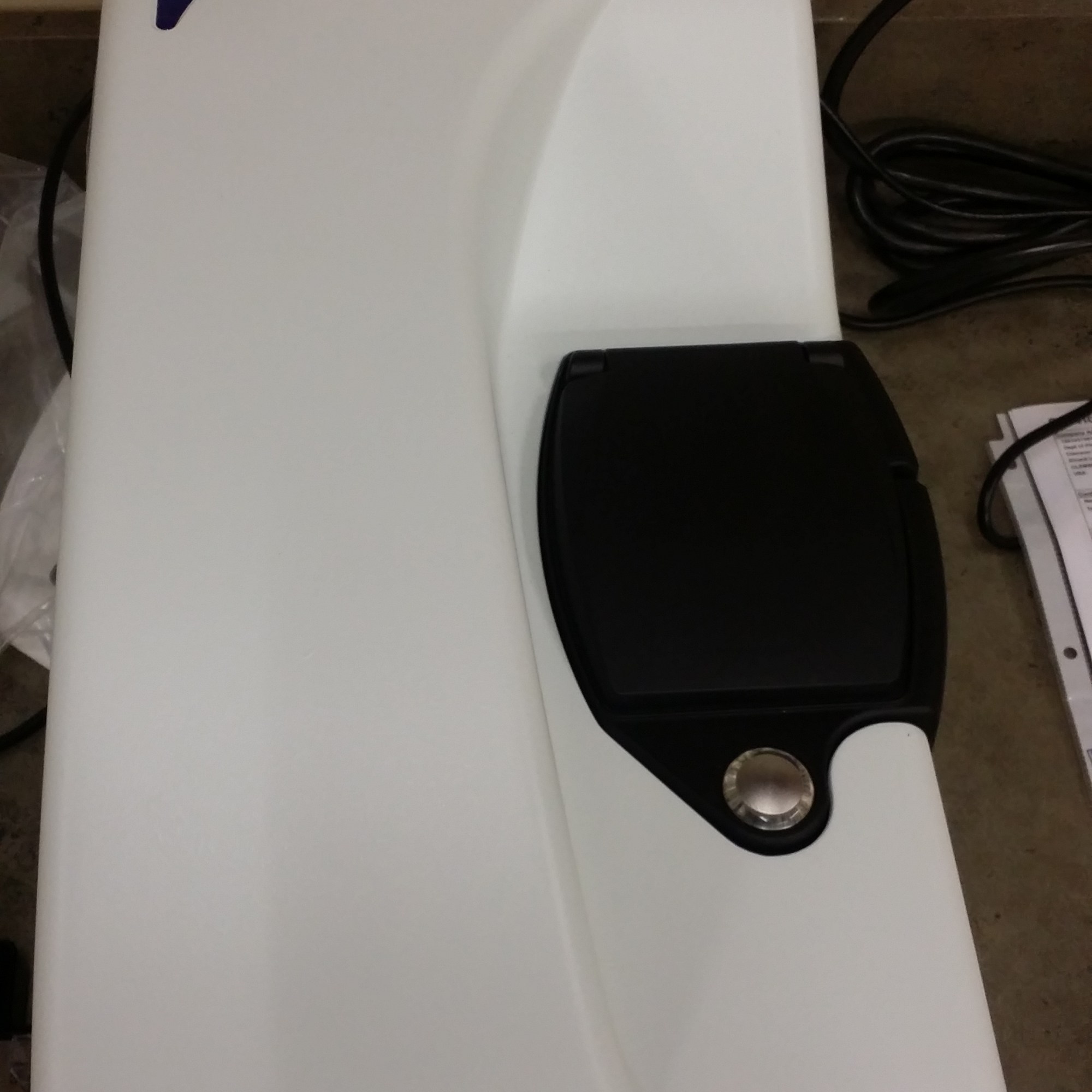
CEM Microwave for functionalizing nanoparticles and a Malvern Dynamic Light Scattering (DLS) system for measuring hydrodynamic size and zeta potential
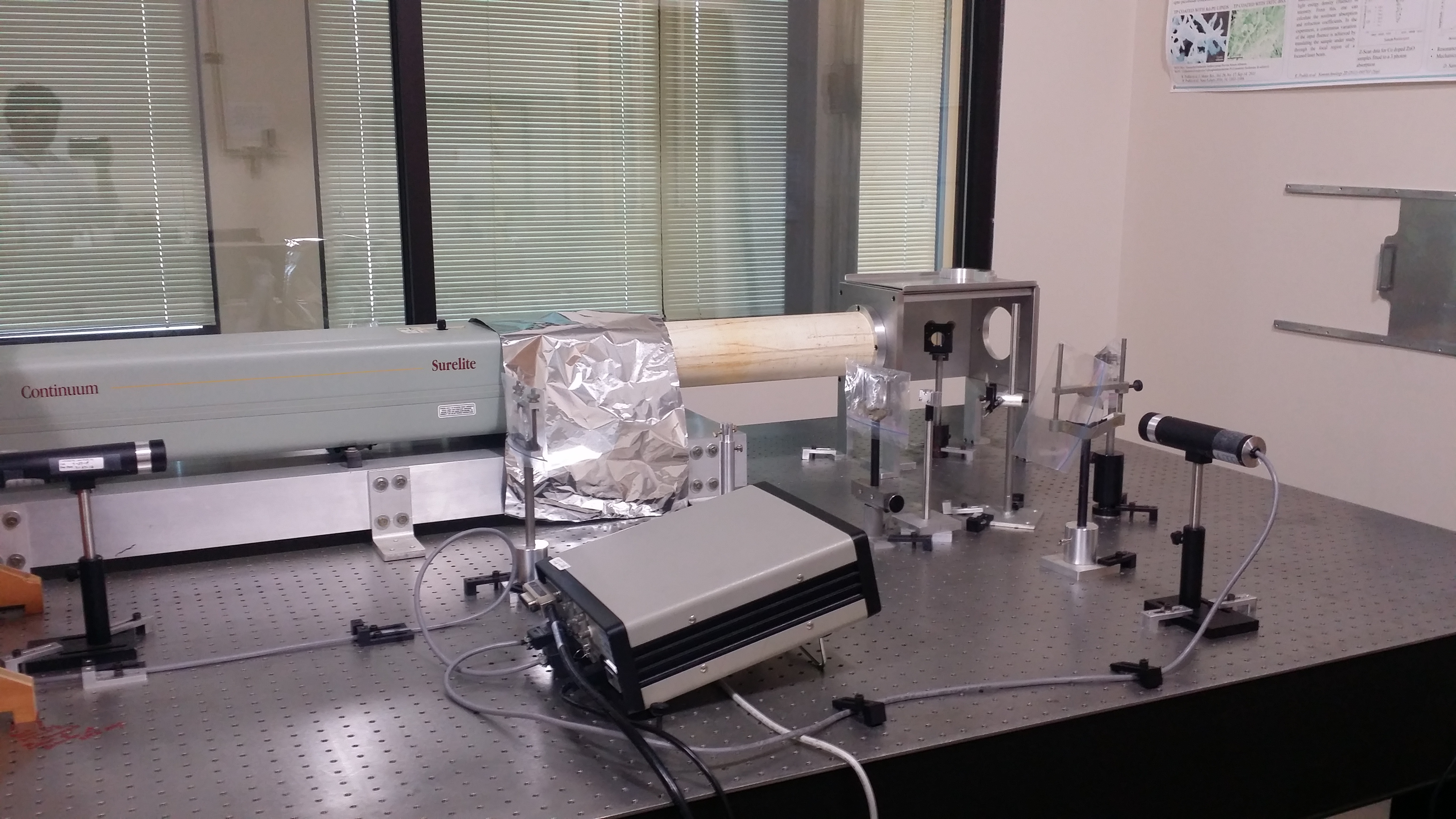
A home-built open aperture ns Z-scan, attached to a pulsed ns (Continuum Surelite II-10) laser (Shared with facilities at the Duke Energy Innovation Center), for measuring non-linear optical properties

Linesis LSR 3 Using the Linseis LSR-Platform, thermoelectric materials in the form of solid material as well as in the form of thin films can be characterized almost completely. In the basic version – LSR-3, both the Seebeck-Coefficient and the Electrical Conductivity (or resistivity) of solid materials can be measured fully automatically and simultaneously up to a maximum temperature of 1500°C. It also capable of measuring cross-plane temperature-dependent Thermal Conductivity (Shared with facilities at Duke Energy Innovation Center)
 Laboratory of Nano-BioPhysics